Description
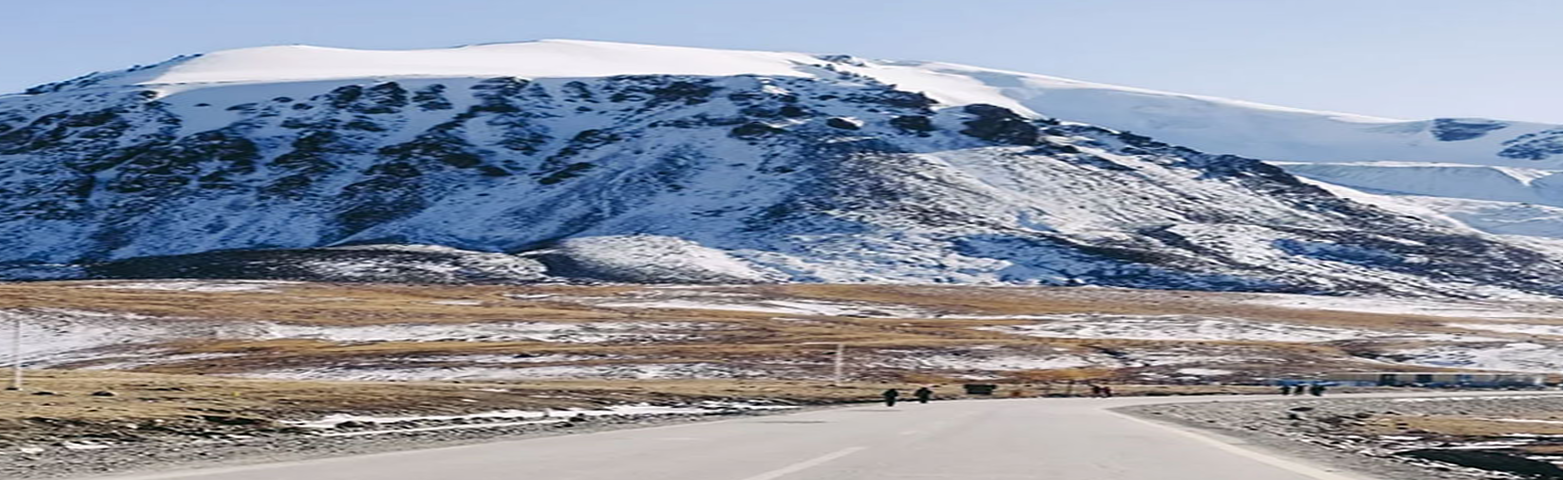
The Kashgar-Karachi route, also known as the Karakoram Highway (KKH), is one of the world’s highest and most scenic international highways, connecting China’s Xinjiang region to Pakistan’s port city of Karachi. Stretching over 1,300 miles (2,100 kilometers), this historic route traverses through diverse landscapes, including rugged mountains, high-altitude plateaus, and lush valleys, offering travelers an unforgettable journey through some of the most remote and breathtaking terrain on earth.
Starting from Kashgar in China, the route follows the ancient Silk Road through the Pamir Mountains and the Karakoram Range, passing through iconic landmarks such as the Khunjerab Pass, the highest paved international border crossing in the world. As travelers descend into Pakistan, they are treated to panoramic views of towering peaks, including some of the world’s highest mountains, such as K2 and Nanga Parbat.
Along the way, travelers encounter vibrant cultures and communities, with opportunities to interact with local people, experience traditional customs, and sample authentic cuisine. The route is dotted with historic towns and trading posts, each with its own unique charm and character, providing insight into the rich history and heritage of the region.
For a journey along the Kashgar-Karachi route, the trip may include:
1. Transportation: Provision of transportation, whether by road, air, or both, from Kashgar in China to Karachi in Pakistan. This may involve private vehicles, public buses, or flights, depending on the itinerary.
2. Accommodation: Arrangements for accommodation along the route, including hotels, guesthouses, or campsites, depending on the preferences and budget of the travelers.
3. Meals: Provision of meals during the journey, including breakfast, lunch, and dinner. This may include meals at local restaurants, packed lunches for outdoor excursions, or meals prepared by accommodation providers.
4. Guided Tours: Services of experienced guides who can provide insights into the history, culture, and landmarks along the Kashgar-Karachi route. Guided tours may include visits to historical sites, cultural attractions, and natural wonders.
5. Sightseeing: Opportunities for sightseeing and exploration of iconic landmarks along the route, such as the Khunjerab Pass, Hunza Valley, Karimabad, Skardu, Gilgit, and other points of interest.
6. Cultural Experiences: Encounters with local communities, including interactions with indigenous peoples, visits to traditional markets, participation in cultural events or festivals, and experiences of local customs and traditions.
7. Adventure Activities: Options for adventure activities such as trekking, hiking, mountaineering, cycling, or wildlife viewing, depending on the interests and preferences of the travelers.
8. Logistics Support: Assistance with logistics such as border crossings, visa arrangements, permits, and other administrative requirements for traveling between China and Pakistan.
9. Safety Measures: Implementation of safety protocols and precautions to ensure the well-being and security of travelers throughout the journey.
10. Support Staff: Provision of support staff, including drivers, guides, cooks, and porters, to assist travelers and ensure a smooth and enjoyable trip.
Overall, the trip along the Kashgar-Karachi route is designed to provide travelers with an immersive and unforgettable experience, allowing them to explore diverse landscapes, cultures, and attractions while journeying through some of the world’s most remote and spectacular regions.
What to Expect
From a journey along the Kashgar-Karachi route, you can expect:
1. Breathtaking Scenery: Prepare to be mesmerized by the stunning landscapes that unfold along the route, including towering mountains, deep valleys, lush greenery, and sparkling rivers.
2. Cultural Diversity: Experience the rich cultural tapestry of the region as you encounter diverse communities, each with its own traditions, languages, and customs. From the vibrant markets of Kashgar to the bustling streets of Karachi, every stop offers a unique cultural immersion.
3. Historic Landmarks: Explore ancient landmarks and historical sites that dot the route, including ancient trading posts, centuries-old fortresses, and sacred shrines, providing insight into the region’s rich history and heritage.
4. Adventure Opportunities: Embark on thrilling adventures, such as trekking in the Karakoram Range, exploring remote valleys, or camping under the stars in the wilderness. The route offers endless opportunities for outdoor exploration and adventure.
5. Culinary Delights: Indulge in the diverse and flavorful cuisines of China and Pakistan, sampling local delicacies and traditional dishes along the way. From hearty kebabs and biryanis to spicy noodles and dumplings, there’s something to satisfy every palate.
6. Cross-Cultural Encounters: Engage with locals along the route, sharing stories, learning about their way of life, and forging connections that transcend cultural boundaries. These interactions offer a deeper understanding of the region and its people.
7. Challenges and Rewards: Be prepared for the challenges of traveling through rugged terrain, navigating border crossings, and adapting to different climates and altitudes. Each obstacle overcome brings with it a sense of accomplishment and reward.
8. Unforgettable Memories: Whether it’s witnessing a breathtaking sunrise over the Himalayas, exploring ancient Silk Road cities, or sharing tea with nomadic herders, the Kashgar-Karachi route promises to create unforgettable memories that will last a lifetime.
Overall, expect an epic journey filled with adventure, discovery, and cultural immersion as you traverse the Kashgar-Karachi route, experiencing the beauty and diversity of this historic and scenic corridor.
Itinerary
Arrive in Kashgar, China, and transfer to your hotel. Spend the day exploring Kashgar's old city, visiting landmarks such as the Id Kah Mosque and the Abakh Hoja Tomb. Sample local cuisine at a traditional Uyghur restaurant.
Depart from Kashgar and drive towards Tashkurgan, a town near the Pakistan-China border. En route, visit the Karakul Lake, a stunning alpine lake surrounded by snow-capped peaks. Continue to Tashkurgan and explore the town's ancient fort and stone houses. Overnight stay in Tashkurgan.
Depart from Tashkurgan and cross the Khunjerab Pass, the highest paved international border crossing in the world. Enter Pakistan and continue to Sost, the first town on the Pakistani side of the border. Relax and acclimatize to the altitude in Sost. Overnight stay in Sost.
Depart from Sost and drive to the Hunza Valley, one of Pakistan's most scenic regions. Visit the ancient Baltit Fort and the picturesque village of Karimabad. Enjoy panoramic views of Rakaposhi and other towering peaks. Overnight stay in Karimabad.
Depart from Hunza Valley and drive to Gilgit, the capital of Gilgit-Baltistan. Visit the Gilgit Bazaar and the historic Kargah Buddha. Explore the scenic Gilgit River Valley. Overnight stay in Gilgit.
Depart from Gilgit and drive to Chilas, a town situated along the Indus River. Stop at the Nanga Parbat viewpoint for breathtaking views of the world's ninth-highest mountain. Continue to Chilas and relax after a long day of driving. Overnight stay in Chilas.
Depart from Chilas and drive to Islamabad, the capital city of Pakistan. Arrive in Islamabad and transfer to your hotel. Spend the evening exploring Islamabad's landmarks, such as Faisal Mosque and Pakistan Monument. Farewell dinner in Islamabad.
Transfer to Islamabad International Airport for your onward journey. End of the trip.
Location
Average Reviews
4.0/5
Cleanliness
Facilities
Location
Service
Value for money
Room comfort and quality
Be the first to review “Kashgar-Karachi”
You might also like...
Biafo & Hispar Glaciers / Snow Lake Trek


Reviews
There are no reviews yet.